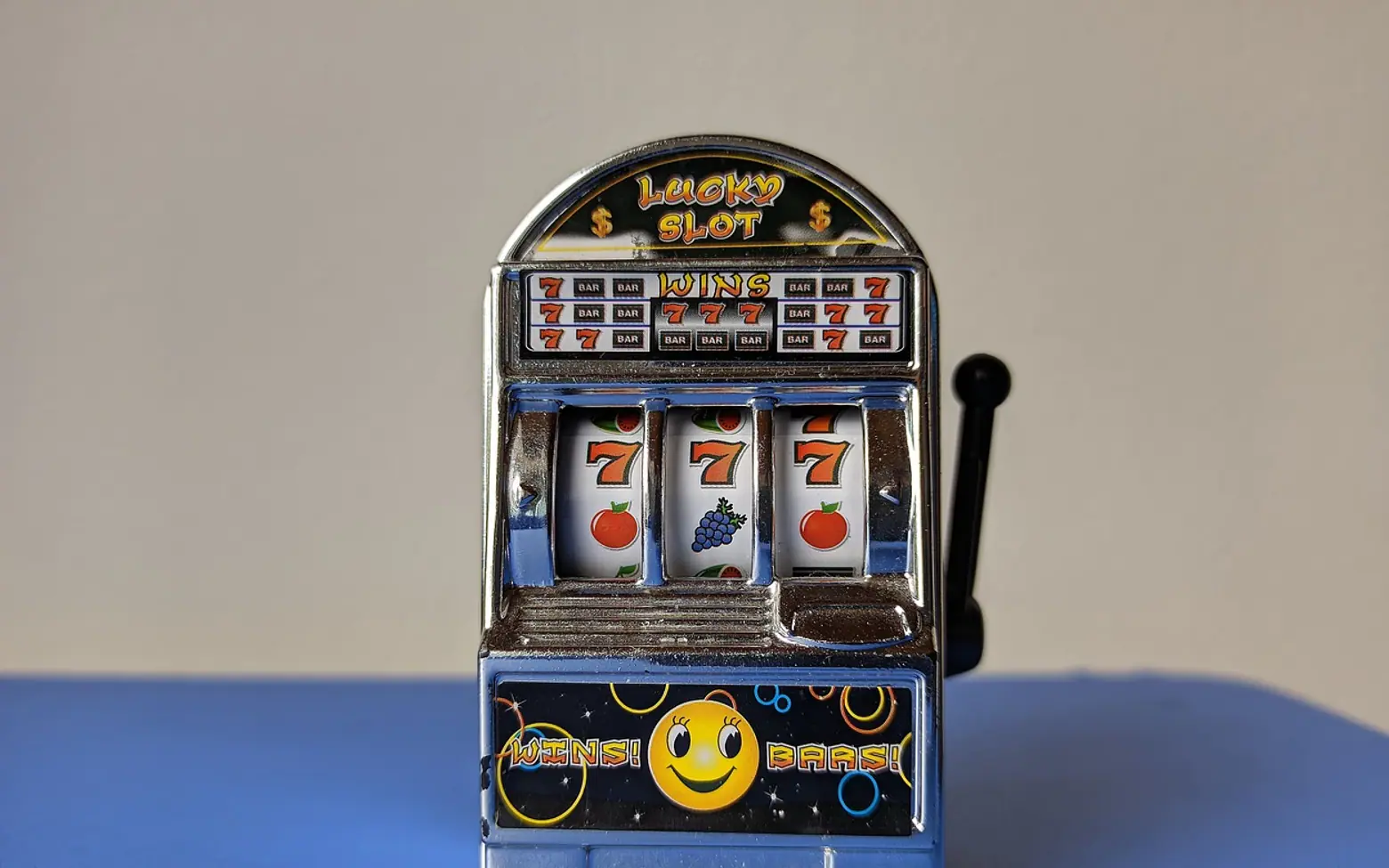
Classic slots are the stripped-back branch of the slot family: usually three reels, between one and five paylines, and a pay table short enough to read in a few seconds. They borrow the look of the old mechanical machines, with cherries, bars, bells and sevens, but online and in modern cabinets they run on the same random number generator as any busy five-reel title. What differs is the structure built around that generator, and that structure shapes how a classic game plays.
What makes a slot "classic"
No rulebook defines the term, but games sold as classic, three-reel or fruit slots tend to share the same handful of traits:
- Three reels, either a single row seen through a window or a small three-by-three grid.
- Few paylines, often one centre line, sometimes three or five.
- Traditional symbols: fruit, single, double and triple bars, bells, sevens and perhaps a wild that doubles a win.
- Little or no bonus round. The base spin is the game; any extras are short and simple.
- A compact pay table, with the top prize reserved for three matching premium symbols on the line.
"Fruit slots" overlaps with all of this. In Britain, fruit machines are a pub tradition with their own nudge and hold buttons, while online the label usually just means a reel game dressed in cherries, lemons and plums.
How a classic pay table works
With so few symbols on screen, classic games lean on a few familiar patterns. A simplified table, with descriptive labels rather than real figures, might look like this:
| Combination on the line | Typical size of pay | What it is there for |
|---|---|---|
| Three matching red sevens | Top prize | The headline result the game is built around |
| Three triple bars | Large | A second premium tier |
| Any three sevens, mixed colours | Medium | Softens near misses on the seven tier |
| Any three bars, mixed | Small | The same idea for the bar tier |
| One or two cherries | Very small | Keeps tiny hits appearing between bigger ones |
The "any bar" and "any seven" lines are the fingerprint of a classic pay table. Mixed combinations turn up far more often than three identical premium symbols, so they fill the long gaps between bigger results. The cherry pay does a similar job, and it often returns less than the stake, which means a flashing "win" can still leave the balance lower than it was before the spin.
Multiplier wilds
Plenty of three-reel games carry a wild printed with 2× or 3×. It stands in for other symbols and multiplies the line win, and two of them on one line can multiply each other. Because the ordinary pays are modest, these symbols usually hold most of a classic game's upside.
Three reels versus five
Five-reel video slots spread the action over a wider grid, connect symbols in more ways and usually pile on bonus features. In practice the two formats differ like this:
| Classic three-reel | Five-reel video slot | |
|---|---|---|
| Paylines or ways | One to five lines | Dozens of lines, or hundreds of ways |
| Bonus features | Rare, or very simple | Free spins, picks, wheels, cascades |
| Pay table | One short screen | Several pages |
| Where the return sits | Mostly in base-game line wins | Shared between base game and features |
| Pace | Fast and repetitive | Slower build, more variety per spin |
Neither layout is automatically kinder to the player. Return to player (RTP) is set by the designer and shown in the game's information screen whatever the reel count. Our walk-through of how slot machines work shows how reel strips and the number generator combine to produce that figure.
Why the simple format keeps its fans
Three-reel games come straight out of the mechanical era described in our piece on how slot machines became popular, and some of their charm is that heritage. Beyond nostalgia, they have practical qualities that certain players prefer:
- The whole game is visible at once, so it is always clear what just happened.
- Rounds are quick, without long animations between spins.
- The cost of each spin is obvious, because there are few lines to configure.
That speed has a flip side. With no feature rounds to slow things down, spins roll past quickly, and more spins per hour give the house edge more chances to do its work. Some land-based classics bolt a prize wheel onto the top of the cabinet; the mechanics of that add-on are covered in our guide to how bonus wheels work in slots.
Questions about classic slots
Are classic slots easier to win on?
Easier to understand, yes; easier to beat, no. Hit frequency and volatility vary from title to title, and some three-reel games are quite volatile because most of their value sits in rare top combinations and multiplier wilds.
Does the number of coins or lines matter on a classic game?
On some older-style games, a particular prize only pays when the maximum coins or a specific line is active, and the pay table spells that out. Where it does not, extra lines or coins simply raise the price of each spin. Reading the table first settles the question in seconds.
Are fruit slots and classic slots the same thing?
Online, mostly yes: both labels describe short, three-reel games with retro symbols. Pub fruit machines in the UK are a separate family with features of their own.
Classic slots are for adults only and work best as a short, fixed-price pastime: settle on an amount before the first spin, confirm what is legal where you live, and log off once that amount has been used.