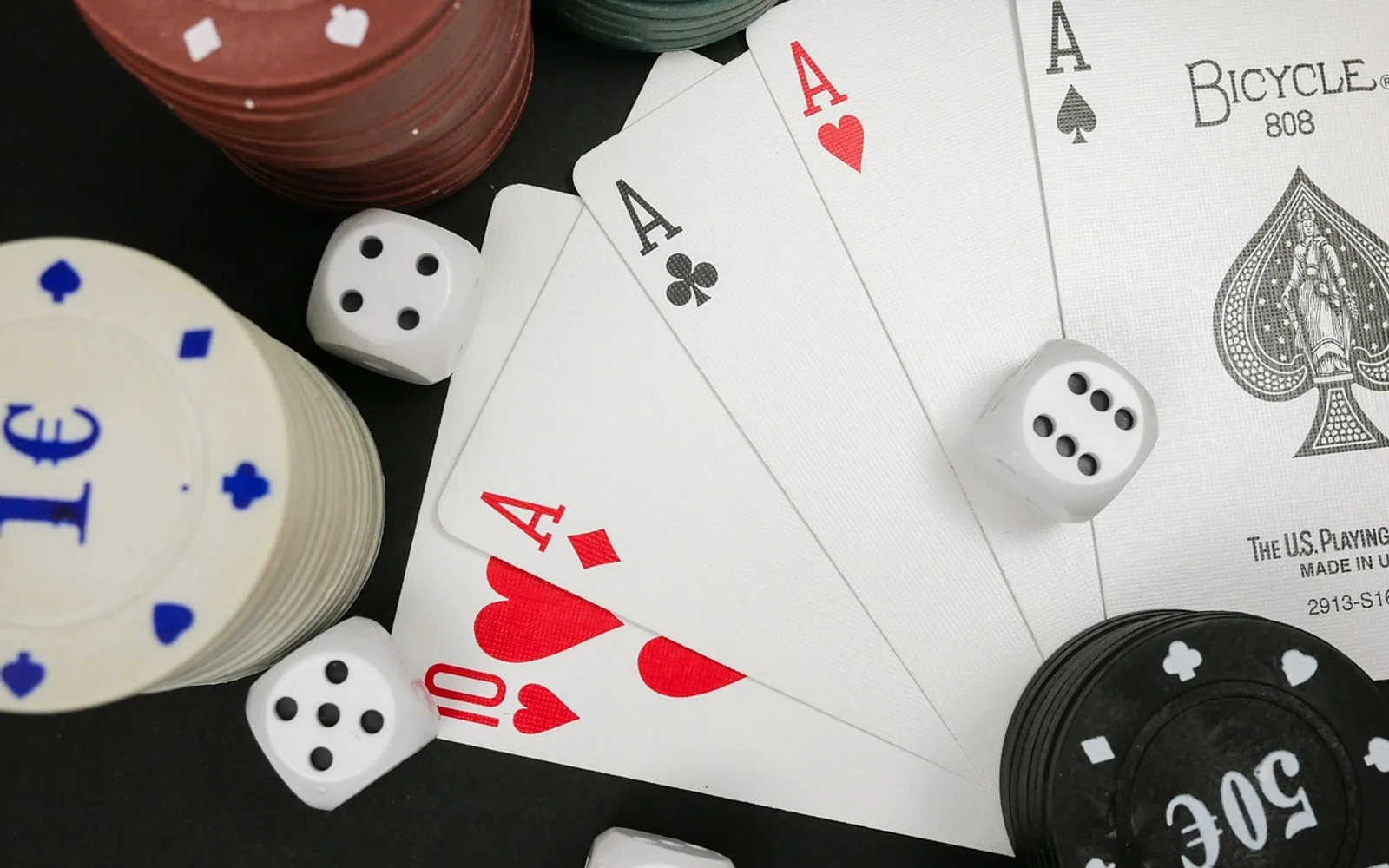
A tourist can visit a casino in Seoul, but the experience is shaped by one rule above all others: the casinos in the capital are set up for foreign visitors, so you will be asked for your passport before you get past the entrance. Beyond that, a first visit is fairly predictable. Expect a smart-casual crowd, a floor split between table games and electronic machines, a cashier who swaps money for chips, and staff who quietly keep things orderly. Treat it as one part of an evening out rather than the whole plan, and set your spending limit before you arrive.
Gambling is for adults only (18 and over, and some venues set a higher age). It is a paid form of entertainment, not a way to earn money, and the rules differ from country to country, so check what applies to you before you play.
At the entrance: documents and the door check
South Korean law keeps most casinos off-limits to local residents, which is why Seoul venues check foreign passports at the door. A photocopy or a phone photo is usually not enough; carry the original document. Residents of Korea, including some long-stay foreigners, may be turned away depending on their status, so anyone living in the country should check the current rules beforehand rather than assume entry.
Security staff may also look at bags, and photography on the gaming floor is generally not allowed. If you are unsure about any rule, ask at the reception desk before you walk in; staff are used to visitors with questions.
Dress and conduct
There is rarely a strict formal dress code, but beachwear, gym clothes and flip-flops look out of place. A neat shirt or blouse and closed shoes will fit in almost anywhere. Conduct matters more than clothing:
- Keep your voice moderate. Celebrations happen, but the floor is not a stadium.
- Do not touch other players' chips or cards, and wait for the dealer's signal before placing or collecting a bet.
- Keep phones off the table. Many tables do not allow them at all during a hand.
- Tip only if you wish. Tipping customs are less fixed in Korea than in some other countries; follow what you see at the table.
Table games versus machines
Most floors are divided into two areas, and they suit different moods.
| Table games | Machines | |
|---|---|---|
| Pace | Set by the dealer and the other players | Set by you, often much faster |
| Social side | Shared table, conversation, dealer interaction | Mostly solo |
| Learning curve | Rules to know; dealers will usually explain basics | Simple to start; the help screen explains features |
| Minimum stake | Posted on a sign at each table | Shown on the machine |
Baccarat is a staple across Asian casinos and is easy to follow because players make no decisions after placing a bet. Blackjack and roulette are common too. On the machine side, the speed is what catches first-timers out: a spin takes seconds, so a budget can disappear far faster than at a table. If you want to understand what is happening inside those cabinets, our explainer on how slot machines use random number generators covers the basics.
Chips and the cashier
You can usually buy chips at the table by placing cash on the felt between hands, or at the cashier's cage. Machines may take notes directly or work with tickets printed when you cash out. Before you go, check which currencies the venue accepts and whether there are exchange counters inside, since many visitors arrive with foreign currency. When you leave, take any remaining chips to the cage; they are not useful anywhere else.
Set the budget before you walk in
The most useful decision of the evening happens before you reach the door. Pick an amount you are comfortable spending on entertainment, the same way you would budget for a concert ticket, and treat it as gone once it is on the table. A few habits help:
- Bring only the amount you intend to use and leave cards in the hotel safe.
- Split the budget into smaller portions, one for each game you want to try.
- Decide in advance that a win is a good moment to stop, not a reason to raise your stakes.
- Never chase a loss by buying more chips.
The same thinking applies to online play, and our guide on keeping gaming fun with limits, breaks and budgets goes into more detail.
Keep an eye on the time
Casino floors tend to have no windows and few clocks, which makes hours slip by. Set an alarm on your phone before you start, or agree on a leaving time with the people you came with. If complimentary drinks are offered, pace yourself: decide your limit beforehand, alternate with water, and arrange a taxi or the subway for the ride back rather than getting behind the wheel.
Other ways to spend the evening
A casino visit fits well as a short chapter in a longer night. Seoul's late dining scene means you can book dinner first and arrive at the tables relaxed and fed, or finish with a late meal of grilled meat or noodles afterwards. Night walks along the Han River and the lit-up shopping streets are free and easy to fit around a casino trip.
A private karaoke room, known locally as a noraebang, is another popular way for groups to end the night. Rooms are rented by the hour, come with a screen, microphones and a song list that usually includes English titles, and suit friends who would rather sing than watch the cards. Visitors planning a night in Gangnam can look at a resource such as the Gangnam Karaoke Venue Guide to get a sense of how rooms and bookings work in the district.
Quick questions from first-time visitors
Can I enter with a national ID card instead of a passport?
Generally no. Seoul casinos verify foreign status, and the passport is the standard document for that. Bring the original.
Do I need to know the rules before I sit down?
It helps to read the basics of one game in advance, but dealers will usually explain how a table works if you ask during a quiet moment. Watching a few rounds before buying in is perfectly acceptable.
What if I feel the night is getting away from me?
Step away from the table, cash out what is left and take a break outside. Many venues display information about help services; if gambling stops feeling like entertainment, talking to a support service or a doctor is a sensible next step.