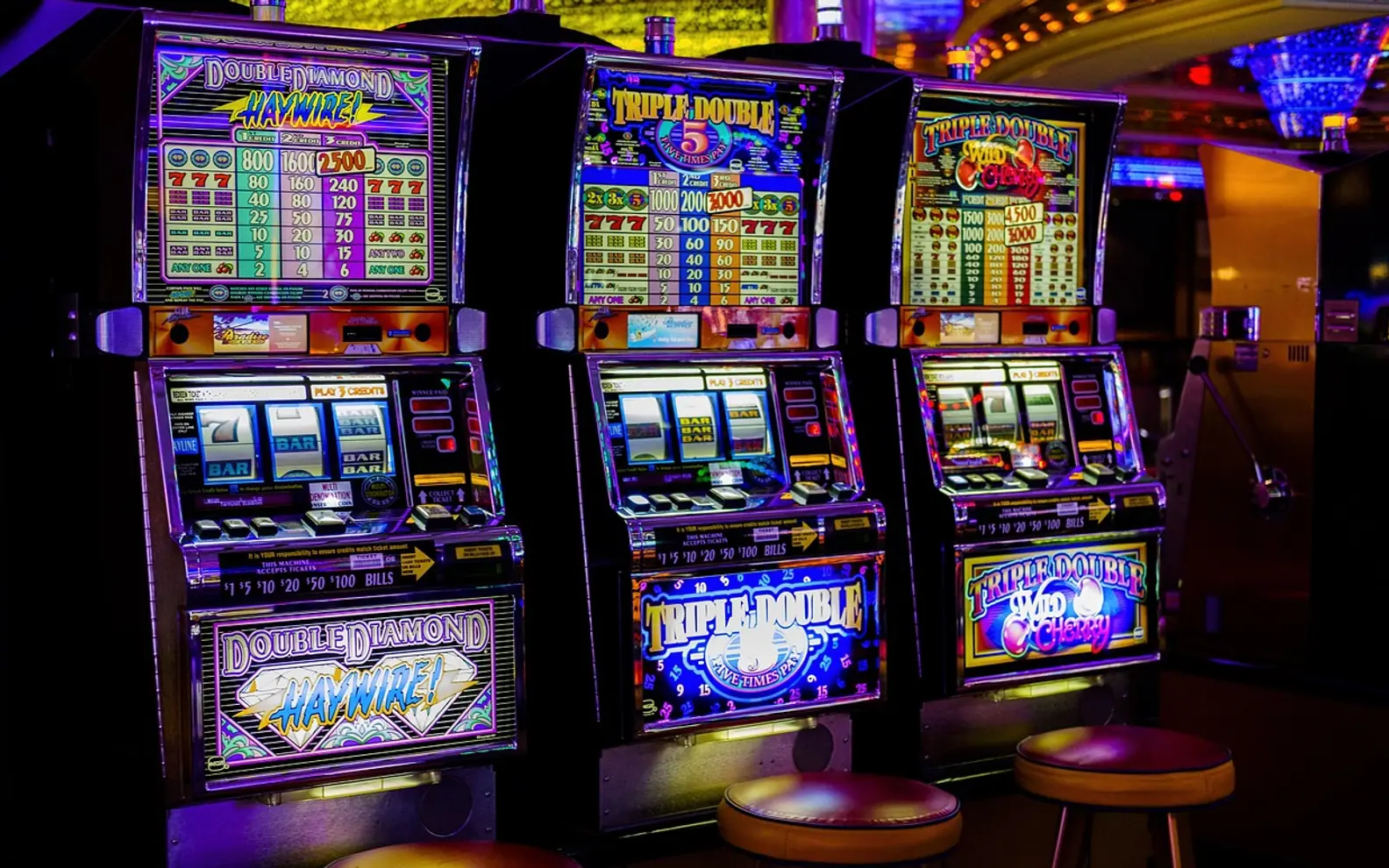
Ask around on any casino floor and someone will point you to the loose machines: the ones by the entrance, the end of the row, the bank that paid out last night. The idea is appealing. If some slots give back more than others, finding them should be worth a walk around the room.
Part of that is true. Machines really do differ in how much they return over time. What does not hold up is the belief that you can tell which ones from the aisle, or that a machine loosens and tightens through the evening.
What "loose" and "tight" mean
A loose slot is one set to return a larger share of the money played through it; a tight slot returns a smaller share. Two terms describe the same split from opposite sides:
- Payback (online usually called return to player, or RTP) is the portion of total stakes the machine is designed to pay back over a very long run.
- Hold is the portion the casino keeps. Payback and hold always add up to the whole amount wagered.
Both are long-run figures measured across an enormous number of spins. Neither says anything about what the next spin, the next hour or the next visit will look like.
Who sets the payback
On a modern cabinet the payback is part of the game's software, not a dial behind the glass. A manufacturer usually builds each title in several versions with different paybacks, and the operator chooses which one to install, within the minimum that the local regulator allows. In many regulated markets changing that version is a formal step, with records, approved software and sometimes the machine taken out of play while it happens.
That has two consequences. First, a machine cannot drift from loose to tight as the night goes on; it plays the same maths on every spin until its software is swapped. Second, two cabinets that look identical can carry different settings, and nothing on the outside tells you which is which. The random number generator and reel strips that turn a setting into results are explained in the pillar on how slot machines really work.
Denomination and game type
In jurisdictions that publish slot returns, higher-denomination machines tend to be set to return more than penny games, which carry more lines and cost more per spin than their name suggests. Older-style reel games, the kind described in what classic slots are, sit alongside busy video titles on the same floor, and either can be set high or low. The label on the glass does not reveal the setting.
Floor myths, one by one
| The belief | What actually decides it |
|---|---|
| Loose machines are placed at entrances so passers-by hear wins | Placement is a layout decision; the payback is in the software, which can be the same anywhere on the floor |
| End-of-row machines are looser | Same answer: position does not change the maths inside the cabinet |
| A machine that has not paid for a while is "due" | Each spin is independent; past results do not build up toward a win |
| A machine that just hit a jackpot is now tight | The next spin has exactly the same chances as the one before the jackpot |
| Casinos tighten slots on busy weekends | Changing payback generally means changing approved software, not flipping a switch for a few hours |
| Using a player card makes a machine pay less | The card records play for rewards; it does not reach into the game's outcome |
Why the myths survive
Wins are loud and losses are silent. A jackpot near the door is remembered for weeks, while hundreds of quiet losses on the same machine leave no trace. Streaks also look meaningful even when they are pure chance, so a lucky hour on one cabinet easily turns into a story about a loose machine. The pattern is human, not mechanical.
Online: the number is printed
Online slots take most of the guesswork away. The RTP is usually listed in the game's information screen, so the "loose" question becomes a matter of reading. Two cautions apply:
- Some titles exist in several RTP versions. The figure shown in one place may not match the version running on another, so check the info screen of the game as you open it.
- A high RTP is still below 100%. Over a long run the game still keeps part of what is played. Volatility decides how bumpy the route there feels, and short sessions can swing far from the long-run figure in either direction.
Line rules shape how a session feels too. A game that reads lines from both edges, explained in how pays-both-ways slots work, will show more frequent small wins without being looser, because the pay table is adjusted to match.
What a sensible player can do
There is no reliable way to pick a loose machine from the aisle, but a few habits put the odds information to work:
- Online, read the RTP and the volatility notes before playing, and skip games that do not show them.
- On a floor, remember that low-cost-looking machines can be expensive per spin once all lines are active.
- Judge a session by the budget you set, not by whether a machine "felt" loose.
- Ignore tips about timing, location or machines being due; none of them changes the maths.
For a wider look at which choices matter in online slots and which are only superstition, see this guide to slot odds and strategies. If your next visit is to a land-based floor abroad, what to expect at a casino in Seoul walks through entry checks, chips and timing.
Quick answers
Do loose slots exist?
Yes, in the sense that machines are set to different paybacks. No, in the sense that you can find them by location, timing or a machine's recent results.
Can a casino make one machine tight while I am playing it?
In regulated markets, payback is fixed by the installed software and changing it is a documented process, not something done mid-session.
Is a looser machine a way to win money?
No. A looser setting means the machine keeps a smaller share over the long run, but it still keeps a share. Slots are a paid form of entertainment for adults, allowed only in some places, so confirm the local rules; set the amount you are willing to spend before you sit down and stop when it is gone.