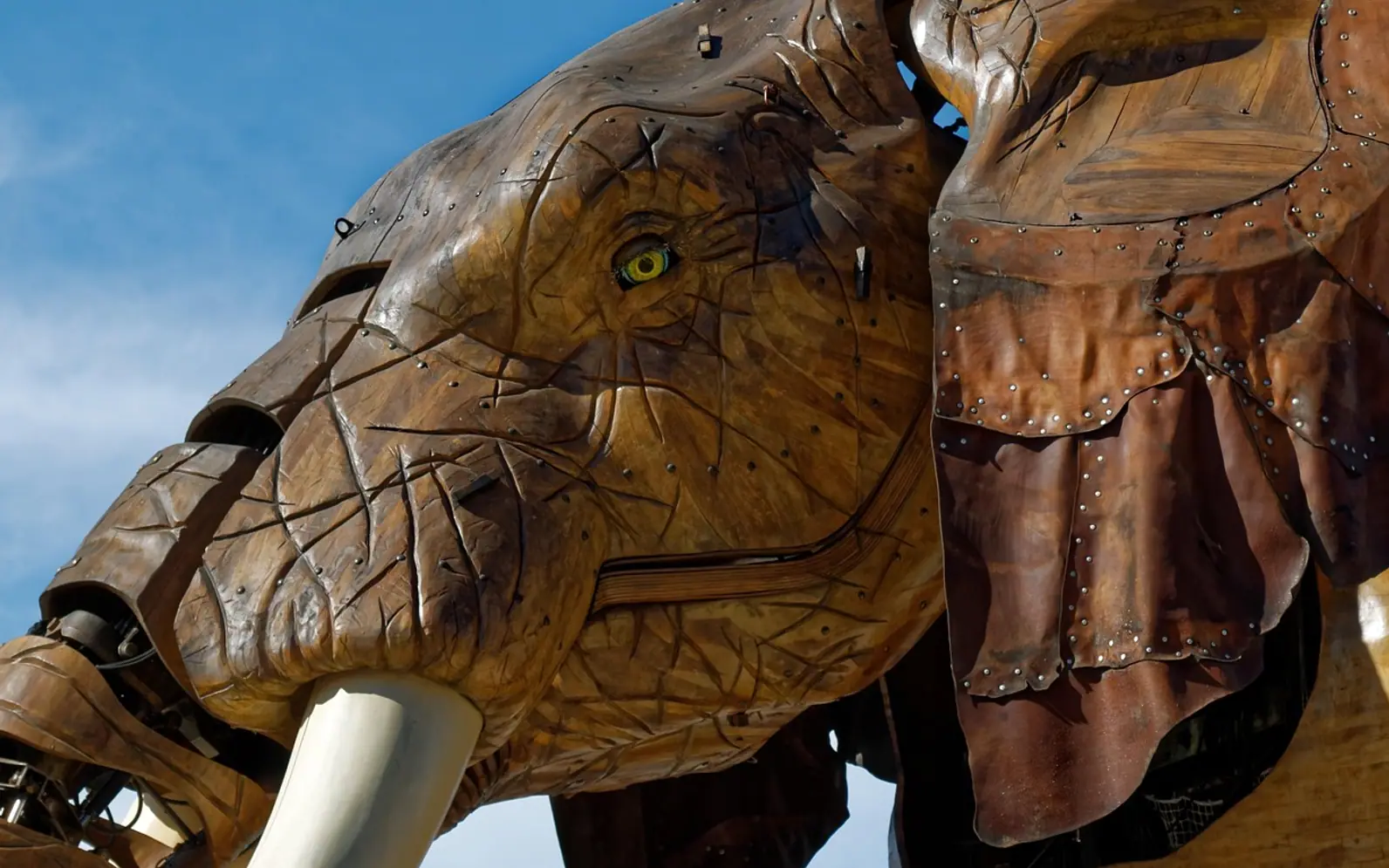
A colossal symbol is one oversized picture that occupies a block of several reel positions at once, usually two by two, three by three or a full column across several reels. The game treats each position the block covers as holding that symbol, so a single landing can feed many lines or ways in one go. Some studios call them giant, mega or jumbo symbols; the idea underneath is the same.
How a giant block lands on the grid
A standard reel drops one symbol into each row. A colossal symbol breaks that rule by spanning neighbouring reels and rows together. On a five-reel, three-row game, a three-by-three block might cover reels two, three and four entirely, leaving only reels one and five to spin on their own.
How the block is chosen differs from game to game, and the info screen usually hints at which method is in use:
- Linked strips. The middle reels share one strip during certain spins, so whatever lands there appears as one big picture.
- Overlay. The reels stop normally, then a separate draw decides whether a giant tile drops on top and which symbol it shows.
- Partial landings. The block can stop half on and half off the window, showing only part of the oversized picture. Each visible part still counts as that symbol.
Whichever route a studio takes, the outcome is fixed the instant the spin starts. The tumbling animation that follows is presentation, and the pillar on how slot machines really work explains why no part of the show alters the result.
How colossal symbols are paid
The key line in the rules is how the block is counted. Most games treat every covered position as a separate copy of the symbol. On a payline game, that means each line passing through the block sees a match. On a ways game, the block multiplies the number of combinations, because each reel it covers contributes several matching positions.
A hypothetical example on a ways game makes the effect clear. If reel one shows one queen and a three-by-three queen block covers reels two to four, the count is 1 × 3 × 3 × 3 = 27 ways, before reel five is even considered. The same block on a ten-line game might complete only a handful of lines. The rules say which method applies, and it changes how often the block turns into a meaningful total.
| Block size | Positions covered | What players usually notice |
|---|---|---|
| 2 × 2 | 4 | Frequent, modest bursts |
| 3 × 3 | 9 | A screen that looks dominated by one picture |
| Full-height column block | Varies by grid | Long gaps, then sudden busy screens |
Giant wilds and giant scatters
Some titles let the block appear as a wild. A colossal wild substitutes in every position it covers, so it can link combinations across the middle of the grid in a way a single wild never could. Giant scatters are rarer. When they exist, the rules state whether the block counts as one scatter or as many, which matters for triggering the bonus round described in our guide to how free spins rounds work.
Colossal symbols, stacks and expanding wilds compared
Three mechanics can make one picture fill a large area, and they are often confused:
- Stacked symbols are runs of the same icon on one reel strip. They fill a column, but each reel is still separate. Our guide to stacked symbols covers how those runs are built.
- Expanding wilds land as a single icon and then grow to cover their reel.
- Colossal symbols arrive as one shape spanning several reels and rows at once, and are drawn as a single piece of art.
The visual effect can look similar, but the maths behind each is distinct, and so is the rhythm of results. Grids that change size as you play, such as those in our look at expanding reels, can carry even bigger blocks.
Why designers use them
A giant picture is easy to read from across a room, and it gives the art team a canvas to show off their best illustration. It also concentrates value. Rather than spreading a premium symbol across many spins, the game saves some of it for occasional moments when a block covers the middle of the screen. That makes sessions feel lumpier: quiet stretches broken by a busy screen.
In feature rounds, designers often make the blocks larger or more frequent, since the bonus is where a game tends to deliver its biggest totals. The rules usually list a separate block size for free spins.
Myths to set aside
- "A half-visible block means the full one is due." Every spin stands alone. Seeing the edge of a giant symbol tells you nothing about the next result.
- "Bigger blocks mean a more generous game." The long-run return is set in the design and printed in the info screen. Large blocks reshape when value arrives, not how much exists.
- "Raising the stake makes giant symbols appear more often." Unless the rules say a higher bet unlocks a feature, block frequency is the same at every stake.
Quick answers
Do colossal symbols change the RTP?
No. Their contribution is already part of the published return figure. A game with giant blocks and a game without them can share the same RTP while feeling very different.
Are colossal symbols good for short sessions?
Not especially. Because value is bunched into rare moments, a short session may never see a full block. That is worth knowing before choosing how long to play and how much to bring.
Giant symbols are a fun piece of slot design, nothing more. Play only if you are an adult, set your spend before the first spin, treat any money used as the price of an evening's entertainment, and confirm what the law allows in your area.